

In 19th-century England, Luddites protested against this.
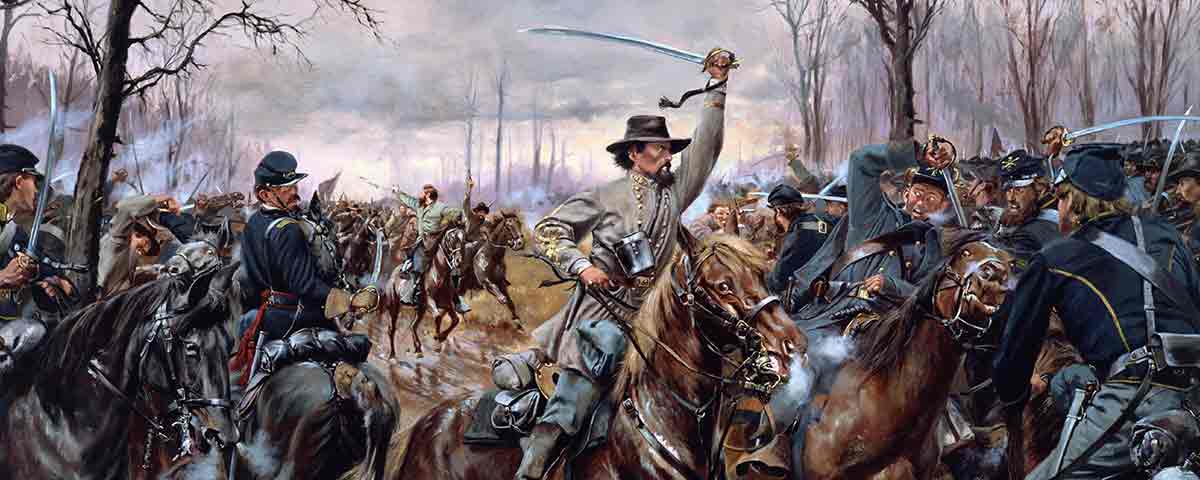
Posted inStories
Signals Crossed
Communication Failures Cost Forrest and the Rebels Dearly at Tupelo. The summer of 1864 was in many ways the Confederacy’s last gasp for survival. Ulysses S. Grant had gone east to take overall command of the Union Army, but he left his trusted subordinate, Maj. Gen. William T. Sherman, to manage affairs west of the Allegheny Mountains. Sherman had his eyes set primarily on the Southern heartland, Atlanta in particular, but had a thorn in his side more troubling than General Joseph E. Johnston’s still formidable Army of Tennessee. Somewhere in Sherman’s rear roamed a dangerous and unpredictable foe: Maj. Gen. Nathan Bedford Forrest, a tactical genius whose unrelenting combativeness and intuitive understanding of men under fire made him more feared than the numbers he commanded.
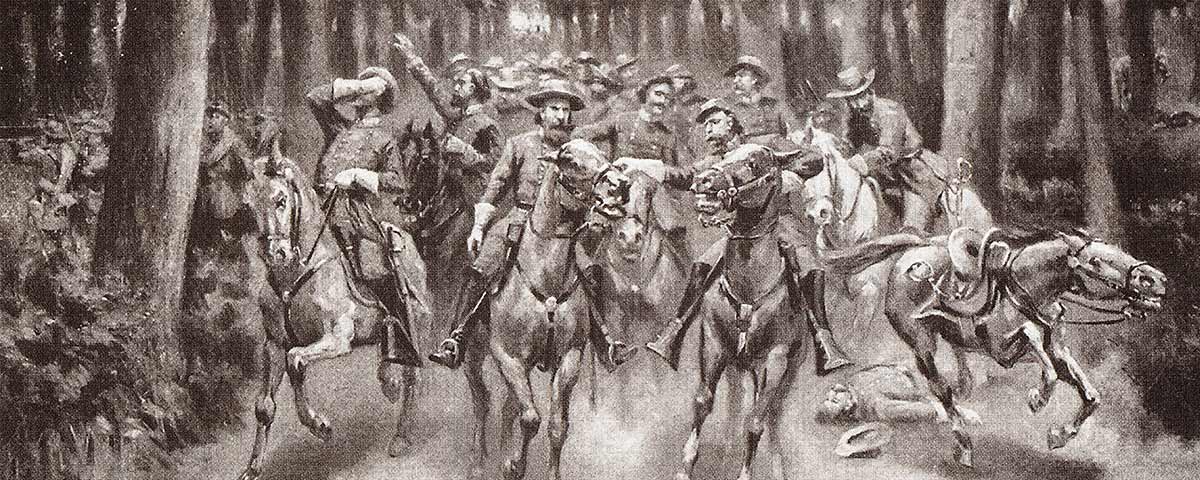
Posted inStories
Longstreet Reeled in his Saddle
The War in Their Words: A staff officer recalls the moment when friendly fire nearly killed one of the confederacy’s top generals. The following article about the wounding of Confederate Lt. Gen. James Longstreet at the Battle of the Wilderness on May 6, 1864, appeared in several Northern and Southern newspapers, including the Savannah Republican and then the New York Commercial Advertiser, in December 1865. The piece is unsigned, but the author was probably Francis Dawson, a captain and ordnance officer on Longstreet’s staff. Dawson’s Reminiscences of Confederate Service, published in 1883, has an account of Longstreet’s wounding that includes two quotes from the ill-fated General Micah Jenkins that are nearly identical to those in the December 1865 newspaper accounts.
Posted inAsk Prof. History
Where to Find a List of Confederate Soldiers?
Where would I find a list of Arkansas Confederate Civil War Soldiers and Confederate […]
Posted inUncategorized
Daily Quiz for April 4, 2017
The Twilight Zone TV show premiered in this year.
Posted inUncategorized
Daily Quiz for April 3, 2017
This was the name of Francis Drake’s ship when he circumnavigated the globe.
Posted inUncategorized
Daily Quiz for April 2, 2017
This university was the first to establish a Computer Science Department.
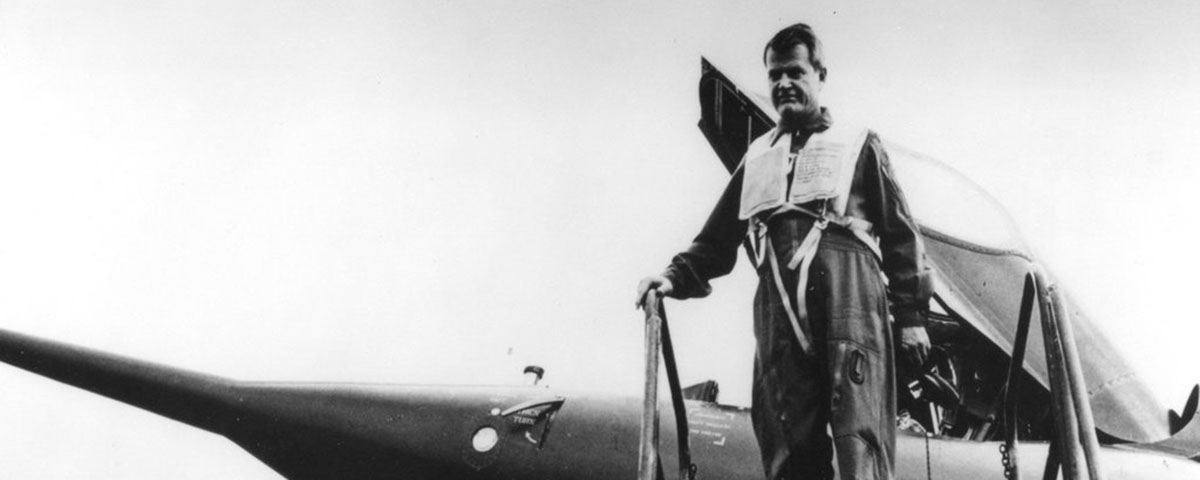
Posted inUncategorized
Delta-Wing Trailblazer
Sam Shannon was that rare example of an accomplished test pilot who never crashed […]
Posted inUncategorized
Daily Quiz for April 1, 2017
In 1910 Georges Claude filed a patient for this.
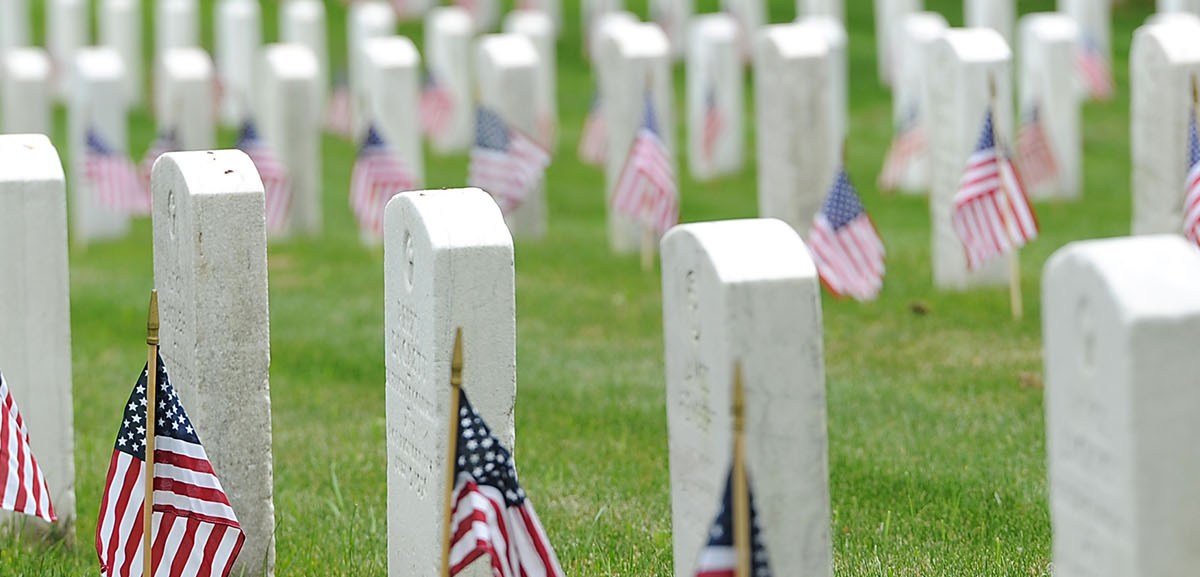
Posted inStories
No more Burials at Arlington in 25 years? Famed Cemetery is Running Out of Space
Officials say expansion projects won’t be enough, and new burial eligibility rules for veterans […]