

He’s starred unforgettably as menacing colonels in Broadway and in screen. But actor Stephen […]
Search results
Posted inStories
Field Notes- America’s Civil War November 2013
Two new Civil War museums open Just in time for the 150th anniversary of […]
Posted inUncategorized
A True Warrior-King: Gustavus II Adolphus
Gustavus II Adolphus, Sweden’s legendary ‘Lion of the North,’ was a master tactician, a […]
Posted inUncategorized
Facing the Tigers at Hill 112
After D-Day, allied forces seeking to outflank the German-held city of Caen ran into […]
Posted inUncategorized
Put to the Sword
Banastre Tarleton and his ruthless British Legion. History loves a villain, and Banastre Tarleton […]
Posted inUncategorized
The General Who Lost America?
In the wake of its humiliation in the colonies, the British government found a […]
Posted inUncategorized
Valor: The Other Custer Hero
Thomas Ward Custer U.S. Army Medal of Honor (double award) Virginia 1865 “He should […]
Posted inFeature
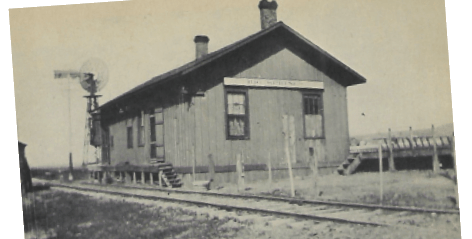
How a Shopkeeper Nabbed the Infamous Black Hills Bandits
The thieves made off with thousands of gold coins, but were chased relentlessly across the prairie.
Posted inStories
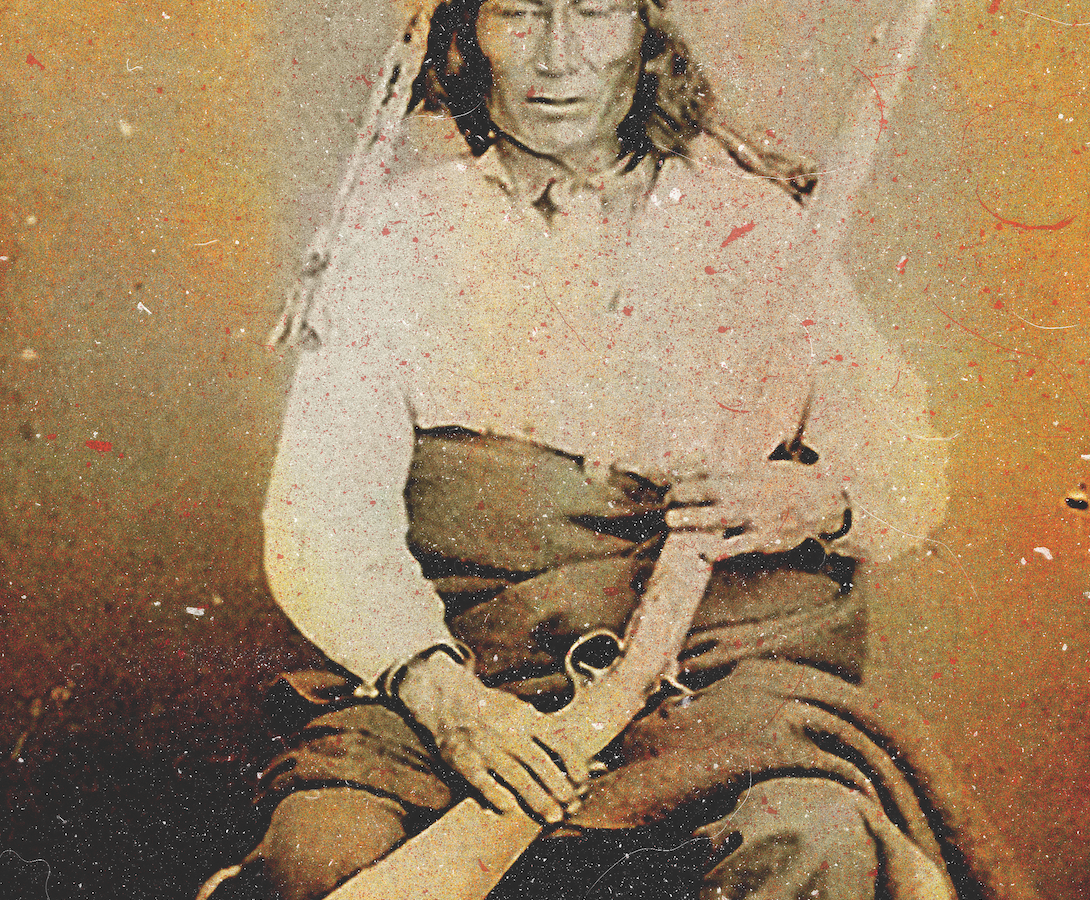
Did This Unreliable Sioux Chief Make Up the Custer Myths We Know Today?
A U.S. Infantry captain took down the first detailed narrative of the famous battle from the chief in 1876.
Posted inStories
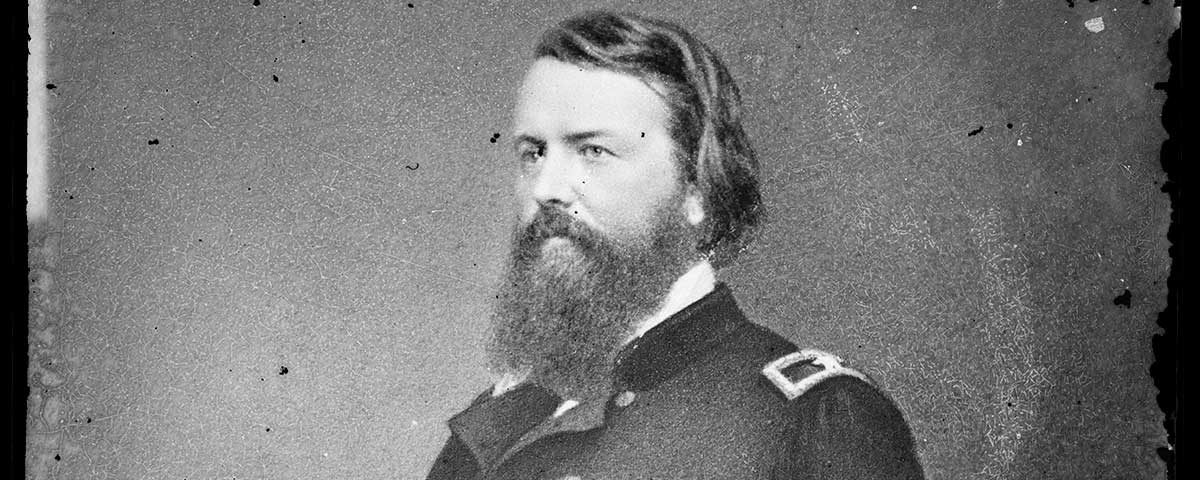
‘Badly Whipped He Will Be’
The Union found to its chagrin that John Pope and the war in the east were not a good fit. Spring 1862 had begun with such promise for the North. The “Young Napoleon,” Maj. Gen. George B. McClellan, had methodically organized and, by April, launched an 80-mile thrust by the Army of the Potomac up the Virginia Peninsula to capture the Confederate capital of Richmond and thereby, he hoped, end the year-old war in one stroke. McClellan’s grand effort, however, would be slowed and eventually halted by miserable weather, his own overly cautious leadership, and an admirably stubborn defense by the outnumbered Confederates.