

Gentlemen Merchants: A Charleston Family’s Odyssey, 1828-1870 edited by Philip N. Racine, University of […]
Search results
Posted inStories
Crisis of Faith
Spiritual revivals gave soldiers a reason to keep on keeping on. In his forthcoming […]
Posted inStories
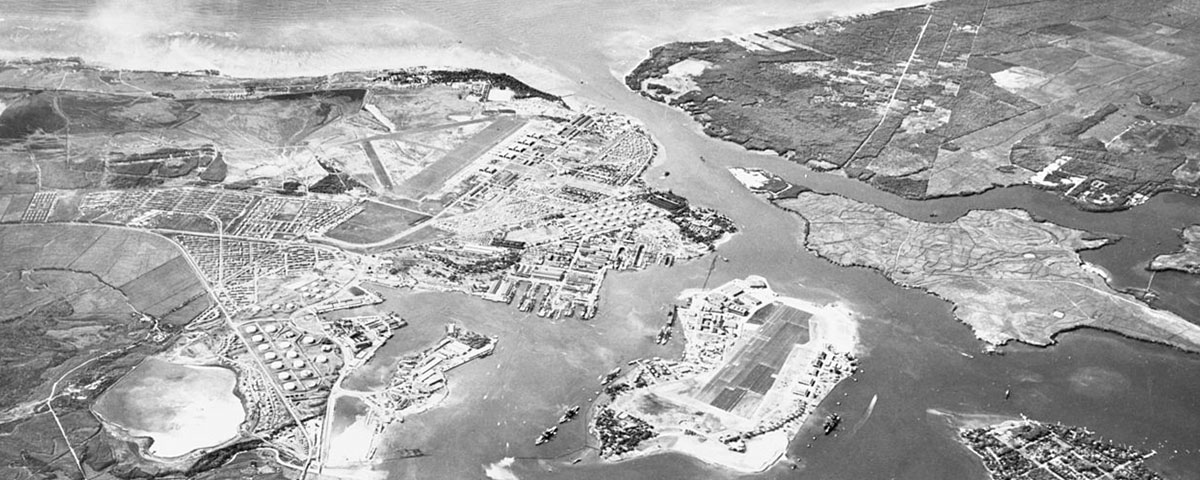
Why Weren’t We Warned?
For America, the greatest single controversy of the Second World War has always been the attack on Pearl Harbor. The success of the Japanese assault seared the psyche of the nation. How, with the United States reading the highest-level Japanese diplomatic codes, could the country be caught by surprise? How, despite a November 27, 1941, waning of imminent war with Japan, could the Pacific Fleet be found at anchor? How, despite the brilliant and heroic efforts of its gnome-like cryptanalysts, could the nation have been so unprepared? Some historians have argued that the answer lies with human failure, others that it rests with criminal conspiracy. In its fixation on self-flagellation, however, America has usually ignored another possibility: The answer may center not on what the Americans did wrong, but on what the Japanese did right.
Posted inUncategorized
Gung Ho: The Makin Raid’s Strange Legacy
In August 1942, marine special forces raided a tiny Pacific atoll. Little was gained […]
Posted inUncategorized
Strange Fortune
An American sub at the Battle of Midway finds that luck can be a […]

Posted inStories
Forced to the Cannon’s Mouth’: An Ohio Regiment’s Desperate Venture From Perryville to the War’s End
John Marshall Branum knew about abolition and slavery in the South from an early age. His parents were both Swedenborgian, members of a Christian sect founded in the 18th century that followed the teachings of Emanuel Swedenborg, a theologian and philosopher known for his praise of the spiritual character of the African people. When the Civil War began, the 21-year-old Branum was enrolled at the Hopedale Normal School, a teachers’ college near his hometown of Bridgeport, Ohio. The school, which counted future Union icon George Armstrong Custer among its alumni, had been established by New England abolitionists in 1849.
Posted inUncategorized
Iron Will: Scrapping History
Americans at times went too far in their nearly unstoppable drive to collect scrap […]
Posted inStories
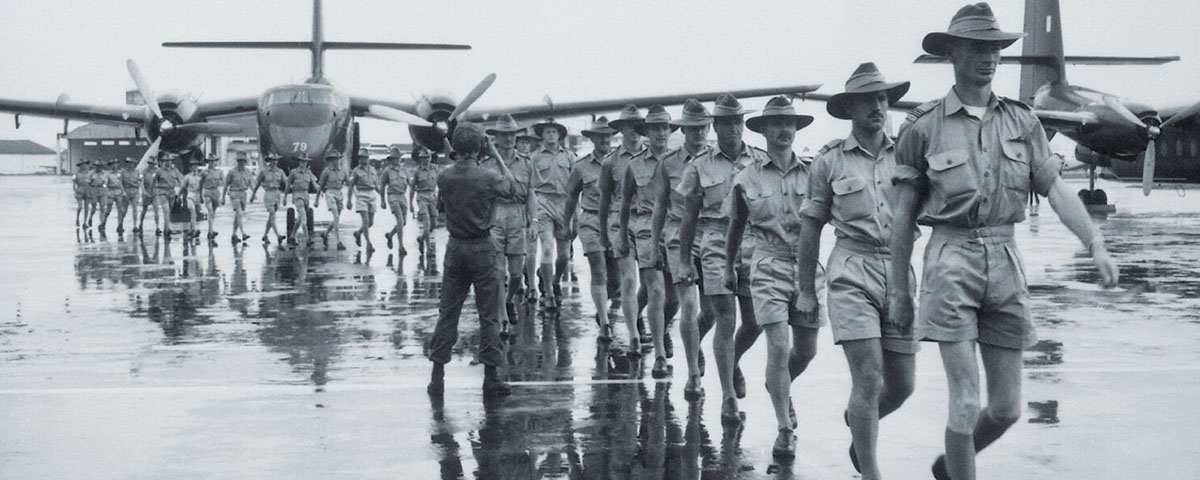
Like the US, Australia Struggles with Vietnam Abroad and at Home
Joining the American intervention in Vietnam, Australia experienced similar battlefield successes in-country and political setbacks on the homefront
Posted inStories
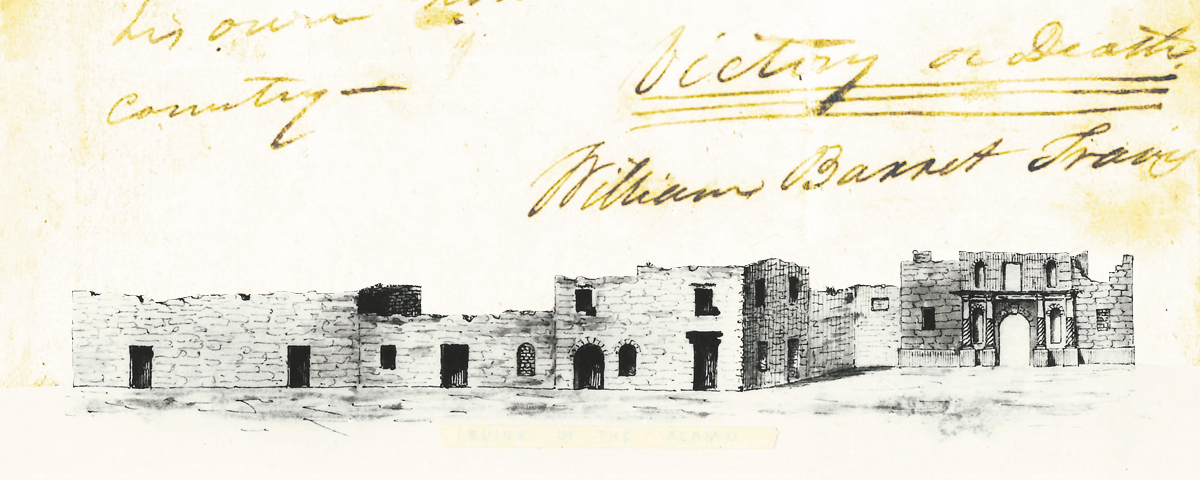
Missing Alamo Missives
On March 3, 1836, three days before the iconic last stand, Texian couriers slipped several dispatches through Mexican lines. Have those letters vanished from history?
Posted inStories
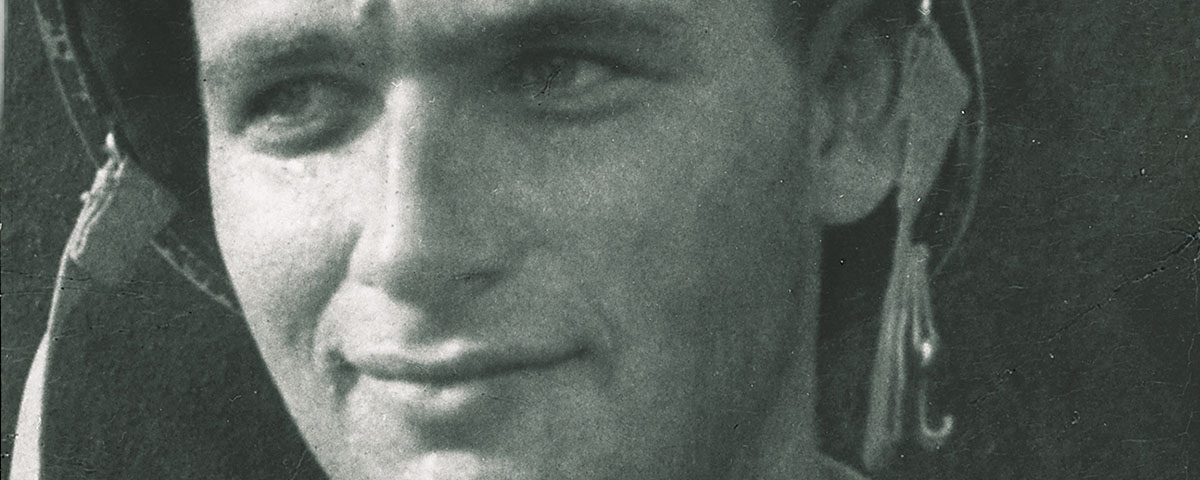
Artists | Sketches of War
Victor Lundy is best known as a modernist architect. But a set of his old sketchbooks offers a vivid visual diary of life—and death—in wartime