• Subscribe Now
  • Today In History
  • Wars & Events
    • The Russia–Ukraine War
    • American Revolution
    • The Civil War
    • World War I
    • World War II
    • Cold War
    • Korean War
    • Vietnam War
    • Global War on Terror
    • Movements
      • Women’s Rights
      • Civil Rights
      • Abolition of Slavery
  • Famous People
    • U.S. Presidents
    • World Leaders
    • Military Leaders
    • Outlaws & Lawmen
    • Activists
    • Artists & Writers
    • Celebrities
    • Scientists
    • Philosophers
  • Eras
    • Modern Era
      • 2000s
      • 1900s
      • 1800s
    • Early Modern
      • 1700s
      • 1600s
      • 1500s
    • The Middle Ages
    • Classical Era
    • Prehistory
  • Topics
    • Black History
    • Slavery
    • Women’s History
    • Prisoners of War
    • Firsthand Accounts
    • Technology & Weaponry
    • Aviation & Spaceflight
    • Naval & Maritime
    • Politics
    • Military History
    • Art & Literature
    • News
    • Entertainment & Culture
    • Historical Figures
    • Photography
    • Wild West
    • Social History
    • Native American History
  • Magazines
    • American History
    • America’s Civil War
    • Aviation History
    • Civil War Times
    • Military History
    • Military History Quarterly
    • Vietnam
    • Wild West
    • World War II
  • Newsletters
  • Podcasts
  • Privacy Policy
  • Terms of Service
  • Facebook
  • Twitter
  • Instagram
  • YouTube
Skip to content
  • Privacy Policy
  • Terms of Service
  • Facebook
  • Twitter
  • Instagram
  • YouTube
HistoryNet

HistoryNet

The most comprehensive and authoritative history site on the Internet.

  • Subscribe Now
  • Today In History
  • Wars & Events
    • The Russia–Ukraine War
    • American Revolution
    • The Civil War
    • World War I
    • World War II
    • Cold War
    • Korean War
    • Vietnam War
    • Global War on Terror
    • Movements
      • Women’s Rights
      • Civil Rights
      • Abolition of Slavery
  • Famous People
    • U.S. Presidents
    • World Leaders
    • Military Leaders
    • Outlaws & Lawmen
    • Activists
    • Artists & Writers
    • Celebrities
    • Scientists
    • Philosophers
  • Eras
    • Modern Era
      • 2000s
      • 1900s
      • 1800s
    • Early Modern
      • 1700s
      • 1600s
      • 1500s
    • The Middle Ages
    • Classical Era
    • Prehistory
  • Topics
    • Black History
    • Slavery
    • Women’s History
    • Prisoners of War
    • Firsthand Accounts
    • Technology & Weaponry
    • Aviation & Spaceflight
    • Naval & Maritime
    • Politics
    • Military History
    • Art & Literature
    • News
    • Entertainment & Culture
    • Historical Figures
    • Photography
    • Wild West
    • Social History
    • Native American History
  • Magazines
    • American History
    • America’s Civil War
    • Aviation History
    • Civil War Times
    • Military History
    • Military History Quarterly
    • Vietnam
    • Wild West
    • World War II
  • Newsletters
  • Podcasts
Posted inDrafts

May 2008 – Manzanar War Relocation Center, CA

The Manzanar War Relocation Center, now a National Park Service historic site located 200 miles north of Los Angeles, California, is the best-preserved place to see what happened when more than 10,000 Japanese Americans and resident aliens wrongly suspected of being enemy agents were rounded up and incarcerated in remote internment centers.
by William J. Cook3/11/20096/20/2016
Share This Article

Manzanar is right on U.S. 395. The two original stone police guard houses and the replica guard tower looming beside the highway are impossible to miss. I started my visit by taking a well-marked, three-mile-long auto tour of the site for a quick orientation before parking at the Inter-pretive Center, originally built as the high school auditorium. Inside, you can see a 22-minute film featuring former internees who tell the stories of their incarceration. There’s a detailed 10 x 10 foot model of the camp that was constructed recently by those who had lived there, which provides an excellent perspective of the site. Panels along the walls explain why the internment happened, the fear and racism that drove the federal policy, and what life was like at the camp. Replicas of barracks interiors show their original state and demonstrate how residents transformed them into comfortable quarters by nailing soup can lids over knotholes in the floor to keep out the blowing sand and crafting furniture from scrap lumber. A huge panel lists the name of everyone who was confined at the camp. When I was finished, I drove the auto route again—this time more slowly, stopping frequently to get out and look, because now I knew from the extensive exhibits at the Center what I was seeing.

The wooden barracks are long gone, but it’s clear to a visitor where they had been. The National Park Service has marked the location of each block of barracks with signs, and there is fascinating physical evidence of what had been there. The internees tried their best to make their confinement as pleasant as possible, and the concrete pools they built in elaborate rock gardens are still in place. The camp cemetery, with its iconic obelisk constructed in 1943 with concrete purchased with a fifteen-cent-per-family donation, looks the same today as it did when Ansel Adams photographed it during the war with 14,403-foot Mount Williamson rising majestically behind it.

The Japanese internment was not the first forced relocation in the Owens Valley. The Paiute Indians settled there 1,500 years ago and developed a flourishing culture with crops irrigated by abundant local water supplies. When gold was discovered in the Sierra Nevada, miners, farmers, and cattlemen moved in. The Paiutes were driven out by the U.S. Army in 1863. Farmers planted orchards in the area they called Manzanar—Spanish for “apple orchard.” In 1905 the city of Los Angeles, needing water to expand the growing metropolis, quietly began acquiring water rights in the Owens Valley and built an aqueduct to the city in 1913. By 1933, Los Angeles owned virtually all farm and ranch land in the valley, and the town of Manzanar was abandoned. When the United States decided to open an internment camp in the area, it had to lease the land from the Los Angeles Department of Water and Power. Internees enjoyed fruit from the abandoned orchards located inside the camp. The trees are still there, and visitors can pick a small amount of fruit in season.

It didn’t take long after the camps opened for government officials to figure out that interning all those people was a costly idea. Internees also were anxious to prove their loyalty as citizens. Those who passed a “loyalty questionnaire” could take jobs further from the west coast or sign up for military duty. In 1943, camp volunteers organized into the segregated 442nd Regimental Combat Team. Combined with the 100th Infantry Battalion—mostly Japanese Americans from Hawaii—they became one of the most decorated units in the U. S. Army. Its members won 18,143 individual citations and suffered 9,486 casualties in an outfit with an authorized strength of 4,000.

[continued on next page]
Pages: 1 2 3
Share This Article
by William J. Cook

more by William J. Cook

    Dive deeper

    • Japan
    • Travel

    Citation information

    William J. Cook (2/26/2026) May 2008 – Manzanar War Relocation Center, CA. HistoryNet Retrieved from https://historynet.com/manzanar/.
    "May 2008 – Manzanar War Relocation Center, CA."William J. Cook - 2/26/2026, https://historynet.com/manzanar/
    William J. Cook 3/11/2009 May 2008 – Manzanar War Relocation Center, CA., viewed 2/26/2026,<https://historynet.com/manzanar/>
    William J. Cook - May 2008 – Manzanar War Relocation Center, CA. [Internet]. [Accessed 2/26/2026]. Available from: https://historynet.com/manzanar/
    William J. Cook. "May 2008 – Manzanar War Relocation Center, CA." William J. Cook - Accessed 2/26/2026. https://historynet.com/manzanar/
    "May 2008 – Manzanar War Relocation Center, CA." William J. Cook [Online]. Available: https://historynet.com/manzanar/. [Accessed: 2/26/2026]

    Related stories

    Stories

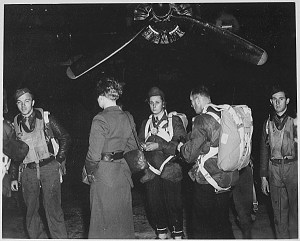
    Celebrating the Legacy of the Office of Strategic Services 82 Years On

    From the OSS to the CIA, how Wild Bill Donovan shaped the American intelligence community.

    Buffalo Bill Cody
    Stories

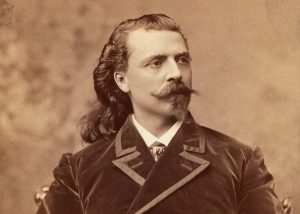
    10 Pivotal Events in the Life of Buffalo Bill

    William Frederick Cody (1846-1917) led a signal life, from his youthful exploits with the Pony Express and in service as a U.S. Army scout to his globetrotting days as a showman and international icon Buffalo Bill.

    ww2-homefront-poster-war-bond
    Portfolio

    During the War Years, Posters From the American Homefront Told You What to Do — And What Not to Do

    If you needed some motivation during the war years, there was probably a poster for that.

    Booger Red Privett on horseback
    Feature

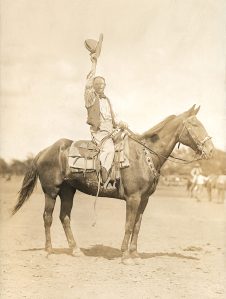
    The One and Only ‘Booger’ Was Among History’s Best Rodeo Performers

    Texan Sam Privett, the colorfully nicknamed proprietor of Booger Red’s Wild West, backed up his boast he could ride anything on four legs.

    HistoryNet
    • Facebook
    • Twitter
    • Instagram
    • YouTube

    “History is a guide to navigation in perilous times. History is who we are and why we are the way we are.”

    David McCullough, author of “1776”

    HistoryNet.com is brought to you by HistoryNet LLC, the world’s largest publisher of history magazines. HistoryNet.com contains daily features, photo galleries and over 25,000 articles originally published in our nine magazines.

    Our Magazines

    • American History
    • America’s Civil War
    • Aviation History
    • Civil War Times
    • Military History
    • Military History Quarterly
    • Vietnam
    • Wild West
    • World War II

    About Us

    • What Is HistoryNet.com?
    • Advertise With Us
    • Careers
    • Meet Our Staff!

    Stay Curious

    Subscribe to receive our weekly newsletter with top stories from master historians.

    sign me up!

    © 2026 HistoryNet.
    • Privacy Policy
    • Terms of Service