• Subscribe Now
  • Today In History
  • Wars & Events
    • The Russia–Ukraine War
    • American Revolution
    • The Civil War
    • World War I
    • World War II
    • Cold War
    • Korean War
    • Vietnam War
    • Global War on Terror
    • Movements
      • Women’s Rights
      • Civil Rights
      • Abolition of Slavery
  • Famous People
    • U.S. Presidents
    • World Leaders
    • Military Leaders
    • Outlaws & Lawmen
    • Activists
    • Artists & Writers
    • Celebrities
    • Scientists
    • Philosophers
  • Eras
    • Modern Era
      • 2000s
      • 1900s
      • 1800s
    • Early Modern
      • 1700s
      • 1600s
      • 1500s
    • The Middle Ages
    • Classical Era
    • Prehistory
  • Topics
    • Black History
    • Slavery
    • Women’s History
    • Prisoners of War
    • Firsthand Accounts
    • Technology & Weaponry
    • Aviation & Spaceflight
    • Naval & Maritime
    • Politics
    • Military History
    • Art & Literature
    • News
    • Entertainment & Culture
    • Historical Figures
    • Photography
    • Wild West
    • Social History
    • Native American History
  • Magazines
    • American History
    • America’s Civil War
    • Aviation History
    • Civil War Times
    • Military History
    • Military History Quarterly
    • Vietnam
    • Wild West
    • World War II
  • Newsletters
  • Podcasts
  • Privacy Policy
  • Terms of Service
  • Facebook
  • Twitter
  • Instagram
  • YouTube
Skip to content
  • Privacy Policy
  • Terms of Service
  • Facebook
  • Twitter
  • Instagram
  • YouTube
HistoryNet

HistoryNet

The most comprehensive and authoritative history site on the Internet.

  • Subscribe Now
  • Today In History
  • Wars & Events
    • The Russia–Ukraine War
    • American Revolution
    • The Civil War
    • World War I
    • World War II
    • Cold War
    • Korean War
    • Vietnam War
    • Global War on Terror
    • Movements
      • Women’s Rights
      • Civil Rights
      • Abolition of Slavery
  • Famous People
    • U.S. Presidents
    • World Leaders
    • Military Leaders
    • Outlaws & Lawmen
    • Activists
    • Artists & Writers
    • Celebrities
    • Scientists
    • Philosophers
  • Eras
    • Modern Era
      • 2000s
      • 1900s
      • 1800s
    • Early Modern
      • 1700s
      • 1600s
      • 1500s
    • The Middle Ages
    • Classical Era
    • Prehistory
  • Topics
    • Black History
    • Slavery
    • Women’s History
    • Prisoners of War
    • Firsthand Accounts
    • Technology & Weaponry
    • Aviation & Spaceflight
    • Naval & Maritime
    • Politics
    • Military History
    • Art & Literature
    • News
    • Entertainment & Culture
    • Historical Figures
    • Photography
    • Wild West
    • Social History
    • Native American History
  • Magazines
    • American History
    • America’s Civil War
    • Aviation History
    • Civil War Times
    • Military History
    • Military History Quarterly
    • Vietnam
    • Wild West
    • World War II
  • Newsletters
  • Podcasts
Posted inStories

A bulldog whose bite matched his bark

by Eric Ethier4/10/2018
Share This Article

Born in the abolitionist hotbed of Massachusetts and raised on the plains of the Midwest, Benjamin Franklin Wade farmed, drove cattle and even labored on the Erie Canal before passing the Ohio bar and jumping head-first into hot-stove American politics. For a man born with a debilitating stammering problem, which he eventually overcame, he had little trouble expressing himself, and he made no bones about what drove him: the death of slavery. “Until the laws of nature and of nature’s God are changed,” the freshman state senator told his fellow Ohio legislators in 1839, “I will never recognize the right of one man to hold his fellow man a slave. I loathe and abhor the cursed system….” You knew where you stood with Ben Wade.

Nicknamed “Bulldog” for his appearance and personality, Wade rarely brooked compromise—a fact that quickly cost him his Ohio Senate seat and marked him as a future radical. And his unbending views on just how to end slavery drove a wedge between him and his younger brother, Edward, an equally driven antislavery agitator with whom he barely spoke for years. The brothers remained political foes after Ohioans sent them to Congress—Ben as a senator, and Edward as a representative— in the early 1850s. But their shared disgust over the 1854 Kansas-Nebraska Act— which opened the door to the possibility of slavery in Kansas Territory and overturned the Missouri Compromise of 1820 (see P.25)—eventually reunited them under the banner of the fledgling Republican Party.

When John Brown’s lightning raid on the Federal arsenal at Harpers Ferry, Va., in 1859 increased tough talk of secession from Southern fire-eaters, Wade responded with a baiting taunt. “If you are going to do it,” he asked in a mocking Senate speech, “is it necessary to give us notice of it? There is no law requiring that you should serve notice on us that you are going to dissolve the Union; and I think it would be better to do it at once, and to do it without alarming our vigilance.” Preferring to settle the conflict once and for all rather than postpone it any longer, Wade opposed further compromise: “We are now half through the blow up,” he told a colleague, “and if we are firm the South must either recede or die and I don’t care a damn which.”

During the Civil War, Wade served as chairman of the Joint Committee on the Conduct of the War. For four years he remained a loud and constant voice in President Abraham Lincoln’s ear—that is, when he wasn’t griping about bloated Federal contracts or dawdling Yankee generals. The massive U. S. Army, he believed, was the tool with which to finally rip the scab of slavery from the continent. Few—especially Lincoln—acted quickly or decisively enough to satisfy him, and they felt his wrath. Like other radicals, known scornfully as “Jacobins” in the White House, Wade failed to appreciate the predicament of the likable new chief executive, whose slavery policy hinged on what he deemed best to preserve the Union. Only briefly heartened by the outlawing of slavery in the territories and by Lincoln’s 1863 Emancipation Proclamation, Wade quickly renewed his bellicose demands for confiscation of Confederate property and the enlistment of black troops.

In 1864 the hard-charging senator ramped up his dispute with the president by backing the Wade-Davis Bill designed to keep Southern reconstruction in Congress’ hands. Lincoln refused to sign it. Furious, Wade and bill co-sponsor Representative Henry W. Davis responded with the Wade-Davis Manifesto—a nasty public call for the president to “confine himself to his executive duties—to obey and execute, not make the laws…and leave political reorganization to Congress.” Issued at a time when Union battlefield fortunes were flagging, his attack was condemned from Ohio to New York; the New York Times compared it to “the wounding of a General-in-Chief by a subaltern on the eve of battle.” Lincoln’s subsequent reelection only deepened Wade’s resentment of him.

Beginning in 1865 Wade quickly turned on Lincoln’s less capable successor, Andrew Johnson, and led the eventual charge to impeach him in 1868. Because Johnson never named a vice president after succeeding Lincoln, Wade, as president pro tempore of the Senate, would have become the nation’s 18th president if Johnson had been impeached. That frightened some of his fellow senators, who felt Wade was simply too radical.

The impeachment movement fell one vote short, and by then Wade had been undone by his own earnestness. Tiring of his bombast and ceaseless calls for civil rights, including women’s suffrage, Ohio voters finally sent him packing in the November 1868 elections.

Wade never held office again but remained active on the political fringe, even serving as an elector for Rutherford B. Hayes in the 1876 election. He died in Jefferson, Ohio, on March 2, 1878.


Originally published in the January 2009 issue of America’s Civil War. To subscribe, click here. 
Share This Article
by Eric Ethier

more by Eric Ethier

    Citation information

    Eric Ethier (2/26/2026) A bulldog whose bite matched his bark. HistoryNet Retrieved from https://historynet.com/bulldog-whose-bite-matched-bark/.
    "A bulldog whose bite matched his bark."Eric Ethier - 2/26/2026, https://historynet.com/bulldog-whose-bite-matched-bark/
    Eric Ethier 4/10/2018 A bulldog whose bite matched his bark., viewed 2/26/2026,<https://historynet.com/bulldog-whose-bite-matched-bark/>
    Eric Ethier - A bulldog whose bite matched his bark. [Internet]. [Accessed 2/26/2026]. Available from: https://historynet.com/bulldog-whose-bite-matched-bark/
    Eric Ethier. "A bulldog whose bite matched his bark." Eric Ethier - Accessed 2/26/2026. https://historynet.com/bulldog-whose-bite-matched-bark/
    "A bulldog whose bite matched his bark." Eric Ethier [Online]. Available: https://historynet.com/bulldog-whose-bite-matched-bark/. [Accessed: 2/26/2026]

    Related stories

    Buffalo Bill Cody
    Stories

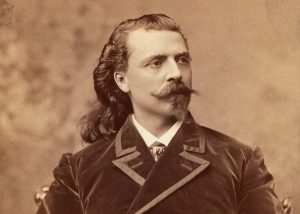
    10 Pivotal Events in the Life of Buffalo Bill

    William Frederick Cody (1846-1917) led a signal life, from his youthful exploits with the Pony Express and in service as a U.S. Army scout to his globetrotting days as a showman and international icon Buffalo Bill.

    ww2-homefront-poster-war-bond
    Portfolio

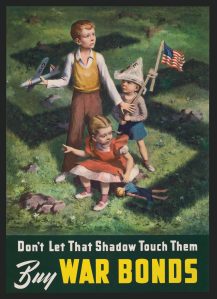
    During the War Years, Posters From the American Homefront Told You What to Do — And What Not to Do

    If you needed some motivation during the war years, there was probably a poster for that.

    Booger Red Privett on horseback
    Feature

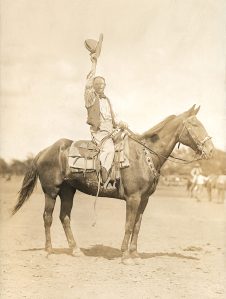
    The One and Only ‘Booger’ Was Among History’s Best Rodeo Performers

    Texan Sam Privett, the colorfully nicknamed proprietor of Booger Red’s Wild West, backed up his boast he could ride anything on four legs.

    Sue Robinson
    Feature

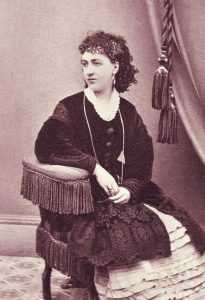
    This Victorian-Era Performer Learned that the Stage Life in the American West Wasn’t All Applause and Bouquets

    Sue Robinson rose from an itinerant life as a touring child performer to become an acclaimed dramatic actress.

    HistoryNet
    • Facebook
    • Twitter
    • Instagram
    • YouTube

    “History is a guide to navigation in perilous times. History is who we are and why we are the way we are.”

    David McCullough, author of “1776”

    HistoryNet.com is brought to you by HistoryNet LLC, the world’s largest publisher of history magazines. HistoryNet.com contains daily features, photo galleries and over 25,000 articles originally published in our nine magazines.

    Our Magazines

    • American History
    • America’s Civil War
    • Aviation History
    • Civil War Times
    • Military History
    • Military History Quarterly
    • Vietnam
    • Wild West
    • World War II

    About Us

    • What Is HistoryNet.com?
    • Advertise With Us
    • Careers
    • Meet Our Staff!

    Stay Curious

    Subscribe to receive our weekly newsletter with top stories from master historians.

    sign me up!

    © 2026 HistoryNet.
    • Privacy Policy
    • Terms of Service