• Subscribe Now
  • Today In History
  • Wars & Events
    • The Russia–Ukraine War
    • American Revolution
    • The Civil War
    • World War I
    • World War II
    • Cold War
    • Korean War
    • Vietnam War
    • Global War on Terror
    • Movements
      • Women’s Rights
      • Civil Rights
      • Abolition of Slavery
  • Famous People
    • U.S. Presidents
    • World Leaders
    • Military Leaders
    • Outlaws & Lawmen
    • Activists
    • Artists & Writers
    • Celebrities
    • Scientists
    • Philosophers
  • Eras
    • Modern Era
      • 2000s
      • 1900s
      • 1800s
    • Early Modern
      • 1700s
      • 1600s
      • 1500s
    • The Middle Ages
    • Classical Era
    • Prehistory
  • Topics
    • Black History
    • Slavery
    • Women’s History
    • Prisoners of War
    • Firsthand Accounts
    • Technology & Weaponry
    • Aviation & Spaceflight
    • Naval & Maritime
    • Politics
    • Military History
    • Art & Literature
    • News
    • Entertainment & Culture
    • Historical Figures
    • Photography
    • Wild West
    • Social History
    • Native American History
  • Magazines
    • American History
    • America’s Civil War
    • Aviation History
    • Civil War Times
    • Military History
    • Military History Quarterly
    • Vietnam
    • Wild West
    • World War II
  • Newsletters
  • Podcasts
  • Privacy Policy
  • Terms of Service
  • Facebook
  • Twitter
  • Instagram
  • YouTube
Skip to content
  • Privacy Policy
  • Terms of Service
  • Facebook
  • Twitter
  • Instagram
  • YouTube
HistoryNet

HistoryNet

The most comprehensive and authoritative history site on the Internet.

  • Subscribe Now
  • Today In History
  • Wars & Events
    • The Russia–Ukraine War
    • American Revolution
    • The Civil War
    • World War I
    • World War II
    • Cold War
    • Korean War
    • Vietnam War
    • Global War on Terror
    • Movements
      • Women’s Rights
      • Civil Rights
      • Abolition of Slavery
  • Famous People
    • U.S. Presidents
    • World Leaders
    • Military Leaders
    • Outlaws & Lawmen
    • Activists
    • Artists & Writers
    • Celebrities
    • Scientists
    • Philosophers
  • Eras
    • Modern Era
      • 2000s
      • 1900s
      • 1800s
    • Early Modern
      • 1700s
      • 1600s
      • 1500s
    • The Middle Ages
    • Classical Era
    • Prehistory
  • Topics
    • Black History
    • Slavery
    • Women’s History
    • Prisoners of War
    • Firsthand Accounts
    • Technology & Weaponry
    • Aviation & Spaceflight
    • Naval & Maritime
    • Politics
    • Military History
    • Art & Literature
    • News
    • Entertainment & Culture
    • Historical Figures
    • Photography
    • Wild West
    • Social History
    • Native American History
  • Magazines
    • American History
    • America’s Civil War
    • Aviation History
    • Civil War Times
    • Military History
    • Military History Quarterly
    • Vietnam
    • Wild West
    • World War II
  • Newsletters
  • Podcasts
Posted inUncategorized

Barbie Turns 50: She’s a Doll

by M.G. Lord3/19/2018
Share This Article

Store buyers in quest of the next big plaything found the haughty and voluptuous doll Mattel unveiled at New York City’s Toy Fair in 1959 a bit risqué. And no wonder, considering the doll was modeled on Bild Lilli, a pornographic gag gift in Germany. Undaunted, Mattel cofounder Ruth Handler thumbed her nose at the prissy store buyers and peddled her pride and joy directly to kids via television—a technique the company had pioneered four years earlier with Tommy Burp cap guns. Once little girls saw the impossibly leggy babe named Barbie, Handler reasoned, they would be smitten.

Handler was right. More than 300,000 Barbies were purchased in the first year alone, and she quickly became the bestselling toy in the United States. Her fortunes ebbed somewhat in the crunchy-granola ’70s, when cool kids clamored for natural fibers and shoes with negative heels, not polyester miniskirts and stilettos. But by the greed-is-good ’80s, Barbie roared back with a vengeance, piling up yachts, McMansions, brand-name designer clothes, red plastic Ferraris and an impressive résumé. Her careers reflected the culture as women gained visibility as executives, physicians, airline pilots and real-estate investors.

From the get-go, Barbie served as a teaching tool for the good life, American-style. From her backyard Barbie-Q to her sleek orange roadster to her endless beach gear, she taught little girls what to buy—or, more specifically, what to pressure their parents into buying. Barbie had the taste of a lottery winner. She racked up stuff without any connoisseurship—which often appalled class-conscious mothers more than her tarted-up appearance. Sales of the toy line rocketed upwards until the ’90s, when revenues leveled out at about $1.8 billion annually, with little girls averaging eight Barbies to one over-extended Ken, her male consort.

Now, with Barbie qualified to join AARP, she’s gone global and sales are on the rise again. Last February, Mattel opened a lavish six-story Barbie emporium in Shanghai, China. Barbie’s new mission? Undo the Cultural Revolution. Banish those baggy gray Mao suits. Introduce clothes that are pricey, scanty and fuchsia. The Shanghai store is as much for mothers as children. It features three versions of most outfits: one for Barbie, one for mom and one for the little girl. And in case mom doesn’t realize she’s the target of a re education campaign, the store has sections designed exclusively for her—a cocktail bar with alcoholic drinks and a full-service spa.

Ironically, the ultimate American doll has never been manufactured in the United States. The first dolls were made in Japan and they have come rolling off foreign assembly lines ever since. These days Barbie and her friends mostly come from China—where many of them will stay. And there’s a new career on her résumé: transforming backwaters into markets, one come-hither pump at a time.


M.G. Lord, a cultural critic based in Los Angeles, is the author of Forever Barbie: The Unauthorized Biography of a Real Doll and Astro Turf: The Private Life of Rocket Science.

Originally published in the December 2009 issue of American History. To subscribe, click here.  

Share This Article
by M.G. Lord

Dive deeper

  • American History
  • Games
  • Pop culture

Citation information

M.G. Lord (2/26/2026) Barbie Turns 50: She’s a Doll. HistoryNet Retrieved from https://historynet.com/barbie-turns-50-shes-doll/.
"Barbie Turns 50: She’s a Doll."M.G. Lord - 2/26/2026, https://historynet.com/barbie-turns-50-shes-doll/
M.G. Lord 3/19/2018 Barbie Turns 50: She’s a Doll., viewed 2/26/2026,<https://historynet.com/barbie-turns-50-shes-doll/>
M.G. Lord - Barbie Turns 50: She’s a Doll. [Internet]. [Accessed 2/26/2026]. Available from: https://historynet.com/barbie-turns-50-shes-doll/
M.G. Lord. "Barbie Turns 50: She’s a Doll." M.G. Lord - Accessed 2/26/2026. https://historynet.com/barbie-turns-50-shes-doll/
"Barbie Turns 50: She’s a Doll." M.G. Lord [Online]. Available: https://historynet.com/barbie-turns-50-shes-doll/. [Accessed: 2/26/2026]

Related stories

ww2-homefront-poster-war-bond
Portfolio

During the War Years, Posters From the American Homefront Told You What to Do — And What Not to Do

If you needed some motivation during the war years, there was probably a poster for that.

Mary Thompson house
Travel

Gettysburg Had a Lasting Impact on Its Least Known Participants — Its Civilians

Travel along the famous sites of Gettysburg, from the Cashtown Inn to Lee’s headquarters, from the eyes of the locals.

Excelsior Brigade in camp review
Review

This Excelsior Brigade Soldier Became an Accidental Journalist

‘Dear Uncles’ collects Arthur McKinstry’s Civil War letters, which his uncles regularly published in their newspaper.

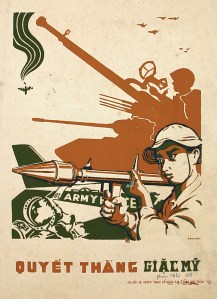
A North Vietnamese poster from 1968 shows VC fighters “determined to beat the American enemy.” A shot-down U.S. pilot lies in the foreground while an American jet crashes in the distance.
Portfolio

During the Vietnam War, These Colorful Posters Aimed to Win Hearts and Minds

How wartime posters from both North and South Vietnam used imagery to influence the Vietnamese people.

HistoryNet
  • Facebook
  • Twitter
  • Instagram
  • YouTube

“History is a guide to navigation in perilous times. History is who we are and why we are the way we are.”

David McCullough, author of “1776”

HistoryNet.com is brought to you by HistoryNet LLC, the world’s largest publisher of history magazines. HistoryNet.com contains daily features, photo galleries and over 25,000 articles originally published in our nine magazines.

Our Magazines

  • American History
  • America’s Civil War
  • Aviation History
  • Civil War Times
  • Military History
  • Military History Quarterly
  • Vietnam
  • Wild West
  • World War II

About Us

  • What Is HistoryNet.com?
  • Advertise With Us
  • Careers
  • Meet Our Staff!

Stay Curious

Subscribe to receive our weekly newsletter with top stories from master historians.

sign me up!

© 2026 HistoryNet.
  • Privacy Policy
  • Terms of Service