• Subscribe Now
  • Today In History
  • Wars & Events
    • The Russia–Ukraine War
    • American Revolution
    • The Civil War
    • World War I
    • World War II
    • Cold War
    • Korean War
    • Vietnam War
    • Global War on Terror
    • Movements
      • Women’s Rights
      • Civil Rights
      • Abolition of Slavery
  • Famous People
    • U.S. Presidents
    • World Leaders
    • Military Leaders
    • Outlaws & Lawmen
    • Activists
    • Artists & Writers
    • Celebrities
    • Scientists
    • Philosophers
  • Eras
    • Modern Era
      • 2000s
      • 1900s
      • 1800s
    • Early Modern
      • 1700s
      • 1600s
      • 1500s
    • The Middle Ages
    • Classical Era
    • Prehistory
  • Topics
    • Black History
    • Slavery
    • Women’s History
    • Prisoners of War
    • Firsthand Accounts
    • Technology & Weaponry
    • Aviation & Spaceflight
    • Naval & Maritime
    • Politics
    • Military History
    • Art & Literature
    • News
    • Entertainment & Culture
    • Historical Figures
    • Photography
    • Wild West
    • Social History
    • Native American History
  • Magazines
    • American History
    • America’s Civil War
    • Aviation History
    • Civil War Times
    • Military History
    • Military History Quarterly
    • Vietnam
    • Wild West
    • World War II
  • Newsletters
  • Podcasts
  • Privacy Policy
  • Terms of Service
  • Facebook
  • Twitter
  • Instagram
  • YouTube
Skip to content
  • Privacy Policy
  • Terms of Service
  • Facebook
  • Twitter
  • Instagram
  • YouTube
HistoryNet

HistoryNet

The most comprehensive and authoritative history site on the Internet.

  • Subscribe Now
  • Today In History
  • Wars & Events
    • The Russia–Ukraine War
    • American Revolution
    • The Civil War
    • World War I
    • World War II
    • Cold War
    • Korean War
    • Vietnam War
    • Global War on Terror
    • Movements
      • Women’s Rights
      • Civil Rights
      • Abolition of Slavery
  • Famous People
    • U.S. Presidents
    • World Leaders
    • Military Leaders
    • Outlaws & Lawmen
    • Activists
    • Artists & Writers
    • Celebrities
    • Scientists
    • Philosophers
  • Eras
    • Modern Era
      • 2000s
      • 1900s
      • 1800s
    • Early Modern
      • 1700s
      • 1600s
      • 1500s
    • The Middle Ages
    • Classical Era
    • Prehistory
  • Topics
    • Black History
    • Slavery
    • Women’s History
    • Prisoners of War
    • Firsthand Accounts
    • Technology & Weaponry
    • Aviation & Spaceflight
    • Naval & Maritime
    • Politics
    • Military History
    • Art & Literature
    • News
    • Entertainment & Culture
    • Historical Figures
    • Photography
    • Wild West
    • Social History
    • Native American History
  • Magazines
    • American History
    • America’s Civil War
    • Aviation History
    • Civil War Times
    • Military History
    • Military History Quarterly
    • Vietnam
    • Wild West
    • World War II
  • Newsletters
  • Podcasts
Posted inStories

Civil War Times: June 1998 Editorial

by HistoryNet Staff9/23/19989/27/2016
Share This Article

From the EditorCivil War Times

STORY TIME

“Tell me a story, Dad.” It was with those words that many of us discovered how interesting the past could be. That simple, childlike request became a key that unlocked the door to an inexhaustible, wonderful realm we adults call “history.”

Humans have always perceived an essential link between history and storytelling. In fact, our English word “story” derives (with a few detours in Middle English and Old French) from the Latin historia, “history.” And, according to my beloved American Heritage Dictionary of the English Language (third edition), historia comes from the Greek “historein, to inquire, from histor, learned man.”

So, our very word for history basically means to ask someone who knows something to tell you a story!

We all need the inspiration, the adventure, the romance, the idealism of historical stories. I continue to tell my own children the stories of George Washington’s alleged cherry tree incident, even though it seems to be based on imagination rather than fact. The way I figure it, the stories are only the introduction. In much the same way that many of us attend 12 years of school only to go to college and discover that everything we know is either wrong or incomplete, the stories get us to the heart of history, the meaning, the human experience. We know that the stories are inadequate for a complete and honest understanding of the past, but they act as engines that carry us forward into deeper study and more mature knowledge. And they help us ask the right questions along the way, so that our understanding of history is more truly human.

In this issue of Civil War Times, we have done something unusual, something we have never done before in our 36 years. We have published fiction. Beginning on page 36, you will find an excerpt from The Last Full Measure by Jeff Shaara, which the author bills as the sequel to his father’s classic novel about the Battle of Gettysburg, The Killer Angels. Shaara’s novel presents historical events in the form of a story, and with historical persons rendered as literary characters. It is historical fiction, and is meant to invite us into the past through the medium of storytelling.

We bring you this excerpt in much the same way that we have, in the past, brought you news of films and television series while they were still in production. You will get the first look at Shaara’s new book, which has been talked about for two years now. We encourage you to ask yourself whether the Lee, Stuart, and other characters presented in the excerpt are similar to or different from your perceptions of those men. If they are different, how so? Are the thoughts and emotions Shaara has assigned to Lee in harmony with what we know about the general? Through these kinds of questions–and motivated by the pull of a good story–we can grow into a deeper understanding of the past and its meaning.

Civil War Times is not going to turn into a magazine of historical fiction. That’s not our role. But we do plan to continue bringing you the first look at the newest, best, and even most controversial works that make their appearance in the Civil War historical community.

I hope you’ll consider sending us a letter or e-mail comment, telling us what you think about this first-ever publication of fiction in Civil War Times. While you’re at it, let us know what you think of historical fiction in general. Is it worthwhile? Does it help us in our understanding of history? Let us hear from you.


Jim Kushlan, Editor, Civil War Times

Toolbar Imagemap
© 1998, Cowles History Group, Inc., a division of Cowles Enthusiast Media. Allrights reserved.
Reproduction in whole or in part in any form or medium without express
written permission of Cowles Enthusiast Media is prohibited.

Share This Article
by HistoryNet Staff

more by HistoryNet Staff

Dive deeper

  • Historical Fiction
  • Letter from the Editor

Citation information

HistoryNet Staff (2/26/2026) Civil War Times: June 1998 Editorial. HistoryNet Retrieved from https://historynet.com/civil-war-times-june-1998-editorial/.
"Civil War Times: June 1998 Editorial."HistoryNet Staff - 2/26/2026, https://historynet.com/civil-war-times-june-1998-editorial/
HistoryNet Staff 9/23/1998 Civil War Times: June 1998 Editorial., viewed 2/26/2026,<https://historynet.com/civil-war-times-june-1998-editorial/>
HistoryNet Staff - Civil War Times: June 1998 Editorial. [Internet]. [Accessed 2/26/2026]. Available from: https://historynet.com/civil-war-times-june-1998-editorial/
HistoryNet Staff. "Civil War Times: June 1998 Editorial." HistoryNet Staff - Accessed 2/26/2026. https://historynet.com/civil-war-times-june-1998-editorial/
"Civil War Times: June 1998 Editorial." HistoryNet Staff [Online]. Available: https://historynet.com/civil-war-times-june-1998-editorial/. [Accessed: 2/26/2026]

Related stories

ww2-homefront-poster-war-bond
Portfolio

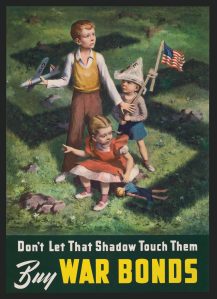
During the War Years, Posters From the American Homefront Told You What to Do — And What Not to Do

If you needed some motivation during the war years, there was probably a poster for that.

Mary Thompson house
Travel

Gettysburg Had a Lasting Impact on Its Least Known Participants — Its Civilians

Travel along the famous sites of Gettysburg, from the Cashtown Inn to Lee’s headquarters, from the eyes of the locals.

Excelsior Brigade in camp review
Review

This Excelsior Brigade Soldier Became an Accidental Journalist

‘Dear Uncles’ collects Arthur McKinstry’s Civil War letters, which his uncles regularly published in their newspaper.

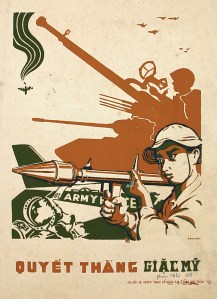
A North Vietnamese poster from 1968 shows VC fighters “determined to beat the American enemy.” A shot-down U.S. pilot lies in the foreground while an American jet crashes in the distance.
Portfolio

During the Vietnam War, These Colorful Posters Aimed to Win Hearts and Minds

How wartime posters from both North and South Vietnam used imagery to influence the Vietnamese people.

HistoryNet
  • Facebook
  • Twitter
  • Instagram
  • YouTube

“History is a guide to navigation in perilous times. History is who we are and why we are the way we are.”

David McCullough, author of “1776”

HistoryNet.com is brought to you by HistoryNet LLC, the world’s largest publisher of history magazines. HistoryNet.com contains daily features, photo galleries and over 25,000 articles originally published in our nine magazines.

Our Magazines

  • American History
  • America’s Civil War
  • Aviation History
  • Civil War Times
  • Military History
  • Military History Quarterly
  • Vietnam
  • Wild West
  • World War II

About Us

  • What Is HistoryNet.com?
  • Advertise With Us
  • Careers
  • Meet Our Staff!

Stay Curious

Subscribe to receive our weekly newsletter with top stories from master historians.

sign me up!

© 2026 HistoryNet.
  • Privacy Policy
  • Terms of Service